23 Oct 2026
Tracing the Supply Chain Pathways That Shape Blazefacet Availability Across Global Markets
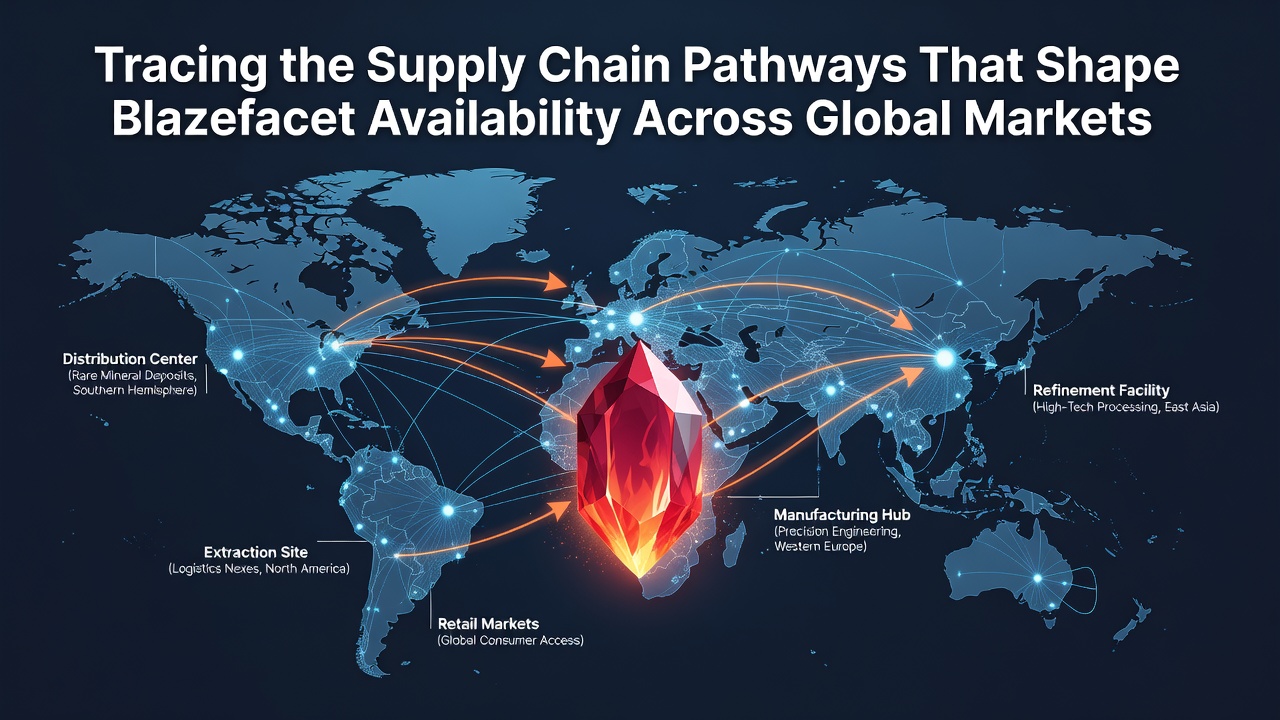
Blazefacet reaches global markets through layered supply chains that begin at remote extraction sites and extend through multiple processing stages before arriving at distributors in major commercial centers, and researchers track these routes to understand how volumes and quality levels fluctuate across regions. Data from industry reports show that extraction occurs primarily in select geological zones where mineral concentrations support commercial yields, while subsequent handling involves specialized facilities equipped for cutting and grading before shipment.
Key Extraction and Initial Processing Locations
Observers note that primary sources cluster in areas with established mineral operations across Africa, South America, and parts of Asia, where geological surveys identify deposits suitable for blazefacet recovery. Mining operations there follow regulatory frameworks set by local authorities, and production volumes depend on equipment availability along with seasonal access conditions that affect output consistency. After extraction, raw material moves to nearby processing centers where initial sorting and basic preparation occur, which reduces transport weight and prepares batches for international transfer.
Studies from geological institutions indicate that quality variations at this stage directly influence downstream availability, because higher-grade material commands different handling protocols than standard grades. Trade data compiled by regional mining departments reveal that export volumes from these zones have adjusted in response to infrastructure improvements completed in recent years, including upgraded road networks that shorten transit times to ports.
International Logistics and Distribution Networks
Once prepared, shipments travel via established maritime and air freight corridors that connect source countries to processing hubs in Europe and North America, and logistics providers coordinate these movements under documented customs procedures. Figures from trade monitoring agencies show that port throughput in key transit points determines how quickly blazefacet reaches secondary markets, while documentation requirements tied to origin verification add steps that can extend delivery schedules.
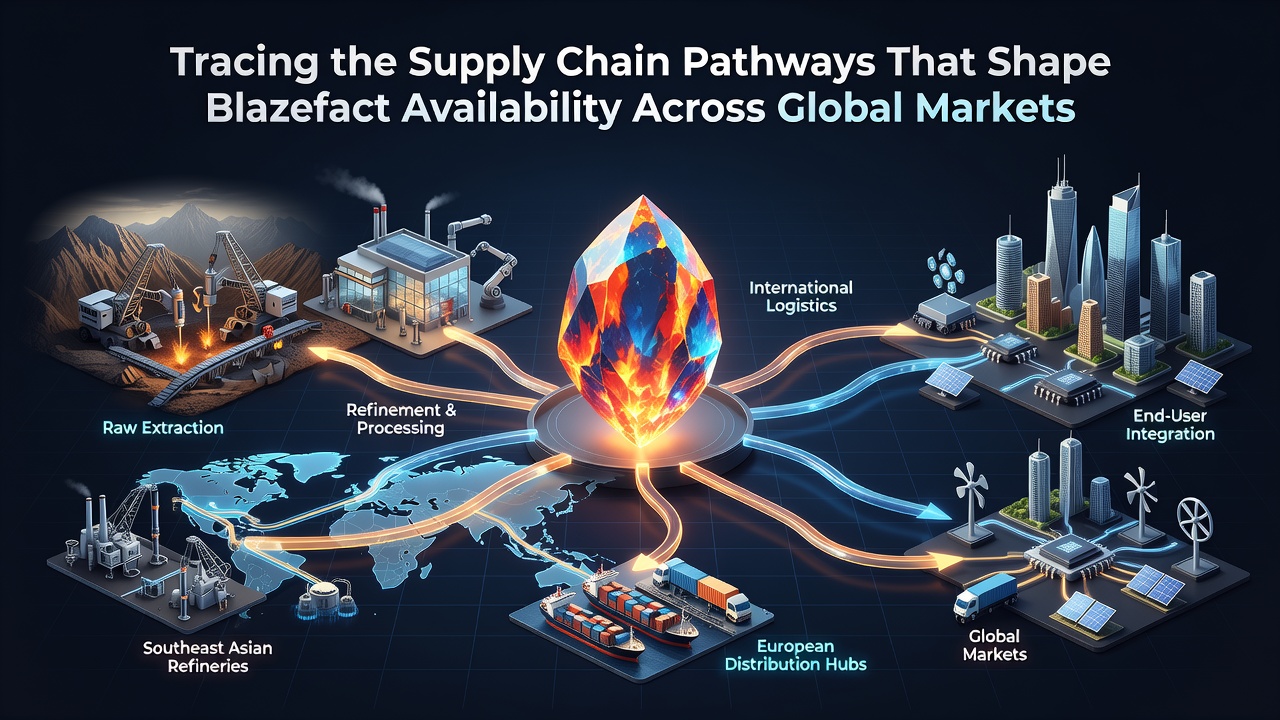
Distribution networks further branch through regional wholesalers who allocate stock based on contractual agreements with manufacturers and retailers, and analysts observe that inventory levels at these nodes reflect upstream production cycles plus any delays encountered during transit. In October 2026, updated trade statistics released by the Australian Department of Industry, Science and Resources highlighted shifts in mineral export patterns that include blazefacet-adjacent commodities, demonstrating how policy adjustments in one region ripple through connected supply lines.
Regulatory Influences on Cross-Border Movement
Government agencies in importing countries enforce standards that require traceability documentation, and compliance with these rules shapes which batches clear entry points without extended holds. Research compiled by the Gemological Institute of America tracks how certification processes at multiple checkpoints maintain consistency across shipments, while variations in enforcement timelines between jurisdictions create measurable differences in market replenishment rates. Those who monitor these pathways report that coordinated updates to mineral trade protocols, such as those aligned with international conventions, have streamlined certain segments of the chain since earlier reporting periods.
Case examples from Brazilian and Canadian regulatory filings illustrate how licensing systems at extraction sites feed into export permits that accompany each consignment, and this documentation trail allows downstream participants to verify compliance before further distribution. Data compiled across multiple years shows that regions with digitized permitting systems experience fewer interruptions compared with areas still transitioning to electronic records.
Market Allocation and Final Availability Patterns
Final allocation occurs when processed blazefacet reaches specialized trading centers where buyers from various sectors select material according to specifications, and inventory tracking systems at these locations provide real-time visibility into remaining stock. Supply chain models developed by academic research groups demonstrate that disruptions at any single node, whether from weather events or regulatory reviews, propagate effects that alter availability timelines in distant markets. Observers following October 2026 updates note continued integration of tracking technologies that allow participants to anticipate shortfalls earlier in the cycle.
Conclusion
Supply chain pathways for blazefacet therefore operate as interconnected sequences where extraction volumes, processing capacity, transport reliability, and regulatory compliance each contribute to the quantities that reach end markets. Reports from multiple government and industry sources continue to document these interactions, providing data that participants use to plan procurement and maintain steady access across regions.